
Everything you need to know about liquid magnesium for athletes
Dear athletes, whether you're a professional athlete or simply enjoy an active lifestyle, you know how important it is to provide your body with the right nutrients. One of these essential nutrients is liquid magnesium, and in this article, we'll reveal everything you need to know about it, including its benefits for you as an athlete. From supporting muscle function to promoting a healthy electrolyte balance, liquid magnesium can make a noticeable difference to your athletic performance and recovery. We'll cover the best ways to use it, recommended dosages, and possible side effects. It's time to answer all your questions about liquid magnesium once and for all. Whether you're looking for a natural way to prevent cramps or want to improve your overall performance, this article will provide you with all the information you need to make informed decisions about incorporating liquid magnesium into your daily routine.
The importance of magnesium for athletes
Magnesium is an important mineral that plays a role in many bodily functions, including muscle contraction, energy production, and nerve function. Athletes have an increased need for magnesium because they use more energy and their muscles work harder.
Why is magnesium important for athletes?
Magnesium plays an important role in the following bodily functions relevant to athletes:
- Muscle contraction: Magnesium is needed for muscle contraction. It helps muscles relax and contract. This is important for strength, endurance, and performance.
- Energy production: Magnesium is needed for energy production. It helps produce ATP, the body's main energy source. This is important for providing energy during exercise.
- Nerve function: Magnesium is needed for nerve function. It helps transmit signals between the brain and muscles. This is important for coordination and performance.
Magnesium deficiencies in athletes
Athletes have an increased need for magnesium because they use more energy and their muscles work harder. If athletes don't get enough magnesium, they may develop a magnesium deficiency.
Magnesium deficiencies in athletes can lead to the following symptoms:
- Muscle cramps
- Fatigue
- Poor coordination
- Headaches
- Increased risk of injury
How to get enough magnesium
There are several ways to get enough magnesium. You can get magnesium through your diet, dietary supplements, or both.
Food sources of magnesium:
- Whole grains
- Leafy green vegetables
- Nuts and seeds
- Beans
- Fatty fish
Dietary supplements:
Magnesium supplements are available in various forms, including capsules, tablets, and powder. The recommended daily intake of magnesium for adults is 310-420 milligrams. Athletes may need more magnesium, depending on their individual needs.
Magnesium is an important mineral that plays a role in many bodily functions, including muscle contraction, energy production, and nerve function. Athletes have an increased need for magnesium because they use more energy and their muscles work harder. Athletes who do not get enough magnesium may develop a magnesium deficiency, which can cause various symptoms, including muscle cramps, fatigue, poor coordination, and headaches. To get enough magnesium, athletes can eat magnesium-rich foods, take supplements, or use a combination of both.
Understanding liquid magnesium supplements
Liquid magnesium supplements are a popular option for people who want to increase their magnesium intake. They are known for their fast absorption, making them a good choice for people with a magnesium deficiency or those who want to benefit from magnesium quickly.
What are liquid magnesium supplements?
Liquid magnesium supplements are magnesium compounds dissolved in a liquid, such as water, fruit juice, or honey. They are available in various forms, including:
- Suspensions: These supplements contain small magnesium particles dispersed in a liquid.
- Solutions: These supplements contain magnesium that is fully dissolved in a liquid.
- Tinctures: These supplements contain magnesium dissolved in an alcoholic liquid.
How do liquid magnesium supplements work?
Liquid magnesium supplements are absorbed by the body faster than other forms of magnesium supplements, such as capsules or tablets. This is because liquid supplements do not first have to pass through the digestive system.
Benefits of liquid magnesium supplements
Liquid magnesium supplements offer several advantages over other forms of magnesium supplements, including:
- Fast absorption: Liquid magnesium supplements are absorbed by the body faster than other forms of magnesium supplements. This means you can experience the benefits of magnesium sooner.
- Better absorption: Liquid magnesium supplements are absorbed better by the body than other forms of magnesium supplements. This means you need to take less magnesium to reach the recommended daily intake.
- Fewer side effects: Liquid magnesium supplements cause fewer side effects than other forms of magnesium supplements. This is because liquid supplements cause less stomach upset.
Drawbacks of liquid magnesium supplements
Liquid magnesium supplements also have some drawbacks, including:
- Price: Liquid magnesium supplements are often more expensive than other forms of magnesium supplements.
- Taste: Liquid magnesium supplements often have a strong taste that some people find unpleasant.
Who can use liquid magnesium supplements?
Liquid magnesium supplements are suitable for anyone who wants to increase their magnesium intake. They are especially suitable for people with a magnesium deficiency or those who want to benefit from magnesium quickly.
How do you use liquid magnesium supplements?
The recommended dosage of liquid magnesium supplements varies depending on the type of supplement and individual needs. Always follow the instructions on the product label.
Liquid magnesium supplements are a good option for people who want to increase their magnesium intake. They are absorbed quickly by the body and cause fewer side effects than other forms of magnesium supplements.
Benefits of liquid magnesium for athletes
Liquid magnesium supplements are a popular option for athletes who want to increase their magnesium intake. They offer several advantages over other forms of magnesium supplements, including:
- Fast absorption: Liquid magnesium supplements are absorbed by the body faster than other forms of magnesium supplements. This means athletes can experience the benefits of magnesium sooner, such as fewer muscle cramps, improved performance, and faster recovery.
- Better absorption: Liquid magnesium supplements are better absorbed by the body than other forms of magnesium supplements. This means athletes need to take less magnesium to reach the recommended daily intake.
- Fewer side effects: Liquid magnesium supplements cause fewer side effects than other forms of magnesium supplements. This is because liquid supplements cause less stomach upset.
Specific benefits of liquid magnesium for athletes
Magnesium plays an important role in many bodily functions relevant to athletes, including:
- Muscle contraction: Magnesium is needed for muscle contraction. It helps muscles relax and contract. This is important for strength, endurance, and performance.
- Energy production: Magnesium is needed for energy production. It helps produce ATP, the body's main energy source. This is important for providing energy during exercise.
- Nerve function: Magnesium is needed for nerve function. It helps transmit signals between the brain and muscles. This is important for coordination and performance.
Muscle cramps
Muscle cramps are a common problem among athletes. They can be caused by several factors, including dehydration, overtraining, and magnesium deficiency. Liquid magnesium supplements can help prevent and treat muscle cramps.
Performance
Magnesium is important for energy production and muscle contraction. This means that magnesium plays a role in athletic performance. Liquid magnesium supplements can help improve athletic performance by improving muscle function and reducing fatigue.
Recovery time
After exercising, it is important to let your muscles recover. Magnesium is important for muscle recovery. Liquid magnesium supplements can help shorten muscle recovery time.
Liquid magnesium supplements are a good option for athletes who want to increase their magnesium intake. They offer several benefits over other forms of magnesium supplements, including fast absorption, better uptake, and fewer side effects. Liquid magnesium supplements can help prevent and treat muscle cramps, improve performance, and shorten recovery time.
How to choose the best liquid magnesium for athletes
Before buying a liquid magnesium supplement for athletes, it is important to consider a number of factors, including:
- The form of magnesium: Several forms of magnesium are available, including citrate, glycinate, bisglycinate, and malate. Each form has its own unique benefits and drawbacks. Citrate is a good choice for athletes who want to prevent and treat muscle cramps. Glycinate and bisglycinate are well-absorbed forms of magnesium that are less likely to cause side effects such as diarrhea. Malate is a good choice for athletes who want to improve their energy levels.
- The dosage: The amount of magnesium you need depends on your individual needs. The recommended daily intake of magnesium for adults is 310-420 milligrams. Athletes may need more magnesium, depending on their activity level.
- The flavor: Liquid magnesium supplements come in various flavors, including strawberry, orange, and lemon. Choose a flavor you like so you can take the supplement easily.
- The price: Liquid magnesium supplements are available at various price points. Choose a supplement that fits your budget.
Here are some additional tips for choosing the best liquid magnesium for athletes:
- Read the reviews: Read reviews from other users to see what they think of the supplement.
- Consider a brand from a reputable manufacturer: Choose a brand known for its quality and reliability.
- Buy the supplement from a reliable source: Buy the supplement from a reputable store that offers a return policy.
By considering these factors, you can find the best liquid magnesium for athletes to suit your needs.
The best time to take liquid magnesium for athletes
Liquid magnesium is a popular option for athletes who want to increase their magnesium intake. It is quickly absorbed by the body and offers several benefits, including:
- Fewer muscle cramps
- Improved performance
- Reduced recovery time
The best time to take liquid magnesium depends on your individual needs and goals. Here are some suggestions:
- Before exercise: Liquid magnesium may help prevent muscle cramps, which are a common problem among athletes. Take it about 30 minutes before exercise.
- During exercise: If you experience muscle cramps during exercise, liquid magnesium may help relieve them. Take it as soon as you feel the cramps coming on.
- After exercise: Liquid magnesium can help muscles recover after exercise. Take it within 30 minutes after exercise.
If you have a specific goal, such as reducing muscle cramps or improving your performance, you can adjust the dosage and timing. Always consult a doctor or nutritionist before taking liquid magnesium or other supplements.
Here are some additional tips for using liquid magnesium for athletes:
- Choose a liquid magnesium that is suitable for athletes. Some liquid magnesium products contain flavorings or other additives that are not suitable for athletes.
- Pay attention to the dosage. The recommended daily allowance of magnesium for adults is 310-420 milligrams. Athletes may need more magnesium, depending on their activity level.
- Start with a low dosage and gradually increase it until you achieve the desired results. Liquid magnesium can cause side effects, such as diarrhea, if you take too much.
By following these tips, you can get the best results from liquid magnesium for athletes.
Liquid Magnesium Dosage for Athletes
The dosage of liquid magnesium for athletes depends on your individual needs and goals. The recommended daily allowance (RDA) of magnesium for adults is 310-420 milligrams. Athletes may need more magnesium, depending on their activity level.
In general, it is recommended to take 100-200 milligrams of liquid magnesium per day. You can take this dosage all at once or in several servings, such as 50 milligrams before exercise, 50 milligrams during exercise, and 50 milligrams after exercise.
If you have a specific goal, such as reducing muscle cramps or improving your performance, you can adjust the dosage. Always consult a doctor or nutritionist before taking liquid magnesium or other supplements.
Here are some tips for determining the right dosage for you:
- Start with a low dose, such as 50 milligrams per day. Gradually increase the dose until you achieve the desired results.
- Watch for side effects. Liquid magnesium can cause side effects, such as diarrhea, if you take too much. If you experience side effects, reduce the dose.
Here are some examples of dosages for different goals:
- To reduce muscle cramps: 100-200 milligrams before exercise
- To improve performance: 200-300 milligrams before exercise
- To speed up recovery: 100-200 milligrams after exercise
By following these tips, you can find the right dose of liquid magnesium for you.
Possible side effects and precautions
Liquid magnesium is generally safe to use. However, there are some possible side effects, including:
- Diarrhea: Liquid magnesium can cause diarrhea, especially if you take too much.
- Nausea: Liquid magnesium can cause nausea, especially if you take it on an empty stomach.
- Lowered blood pressure: Liquid magnesium can lower blood pressure, especially in people with low blood pressure.
- Muscle weakness: Liquid magnesium can cause muscle weakness, especially in people with kidney disease.
To reduce the risk of side effects, it is important to take the following precautions:
- Start with a low dose and gradually increase it until you achieve the desired results.
- Take liquid magnesium with food to reduce the risk of stomach upset.
- If you have kidney disease, consult a doctor before using liquid magnesium.
If you experience side effects, stop using liquid magnesium and consult a doctor.
Here are some additional tips to ensure the safe use of liquid magnesium:
- Buy liquid magnesium from a reputable manufacturer.
- Store liquid magnesium in a cool, dry place.
- Keep liquid magnesium out of reach of children.
By following these tips, you can use liquid magnesium safely.
Including liquid magnesium in an athlete’s diet
Liquid magnesium is a good way for athletes to increase their magnesium intake. It is easy to take and is quickly absorbed by the body.
There are several ways to include liquid magnesium in an athlete’s diet:
- Take it directly: Liquid magnesium can be taken directly by mixing it into a glass of water or juice.
- Add it to a drink: Liquid magnesium can be added to a sports drink, smoothie, or other beverage.
- Add it to a meal: Liquid magnesium can be added to a meal, such as a smoothie bowl or salad.
The best way to include liquid magnesium in an athlete’s diet depends on individual preferences and needs. Some athletes find it easy to take liquid magnesium directly, while others prefer to mix it into a drink or meal.
Here are some tips for incorporating liquid magnesium into an athlete's diet:
- Start with a low dose, such as 50 milligrams per day. Gradually increase the dose until you achieve the desired results.
- Take liquid magnesium with food to reduce the risk of stomach upset.
- If you have kidney disease, consult a doctor before using liquid magnesium.
By following these tips, you can safely and effectively incorporate liquid magnesium into an athlete's diet.
Examples of how liquid magnesium can be incorporated into an athlete's diet:
- For breakfast: Add 50 milligrams of liquid magnesium to a smoothie bowl with fruit, vegetables, and yogurt.
- Before exercise: Drink a glass of water with 50 milligrams of liquid magnesium about 30 minutes before exercising.
- After exercise: Have a smoothie with 50 milligrams of liquid magnesium to help the muscles recover.
By incorporating liquid magnesium into their diet in this way, athletes can benefit from magnesium to improve their performance and prevent injuries.
Liquid magnesium versus other forms of magnesium supplements
Liquid magnesium is a popular form of magnesium supplement. It is quickly absorbed by the body and easy to take. However, other forms of magnesium supplements are also available, such as tablets, capsules, and powder.
Benefits of liquid magnesium
Liquid magnesium has several benefits over other forms of magnesium supplements, including:
- Fast absorption: Liquid magnesium is quickly absorbed by the body, so it takes effect quickly.
- Easy to take: Liquid magnesium can be taken directly or mixed into a drink or meal.
- Lower risk of side effects: Liquid magnesium is less likely to cause side effects, such as diarrhea, than other forms of magnesium supplements.
Drawbacks of liquid magnesium
Liquid magnesium also has some drawbacks, including:
- Price: Liquid magnesium is often more expensive than other forms of magnesium supplements.
- Availability: Liquid magnesium is not always as readily available as other forms of magnesium supplements.
Benefits of other forms of magnesium supplements
Other forms of magnesium supplements also have some benefits, including:
- Price: Other forms of magnesium supplements are often cheaper than liquid magnesium.
- Availability: Other forms of magnesium supplements are often more readily available than liquid magnesium.
Drawbacks of other forms of magnesium supplements
Other forms of magnesium supplements also have some drawbacks, including:
- Slower absorption: Other forms of magnesium supplements are absorbed by the body more slowly than liquid magnesium.
- Harder to take: Tablets, capsules, and powder can be harder to take than liquid magnesium.
- Higher risk of side effects: Other forms of magnesium supplements have a higher risk of side effects, such as diarrhea, than liquid magnesium.
Liquid magnesium and other forms of magnesium supplements each have their own advantages and disadvantages. The best form of magnesium supplement depends on your individual preferences and needs.
If you are looking for a magnesium supplement that is absorbed quickly and easy to take, liquid magnesium is a good option. If you are looking for a magnesium supplement that is cheaper or more widely available, other forms of magnesium supplements are a better option.
Liquid magnesium grip: What is it and how does it work?
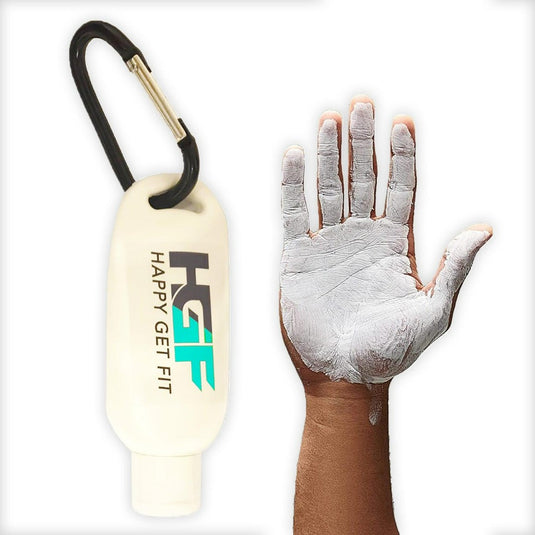
Magnesium grip is a type of sports chalk used to improve grip. It consists of magnesium oxide, a dry, powdery substance. When magnesium oxide is applied to the skin, it absorbs moisture and forms a thin, protective layer. This layer reduces friction between your hands and the object you are holding, giving you a better grip.
Liquid magnesium grip
Liquid magnesium grip is a newer form of magnesium grip. It is made from magnesium hydroxide, a liquid substance. Liquid magnesium grip is easier to apply than traditional magnesium grip because it does not clump or stick to your hands. Liquid magnesium grip is also less visible than traditional magnesium grip, making it suitable for athletes who want to maintain a professional appearance.
Benefits of liquid magnesium grip
Liquid magnesium grip offers several advantages over traditional magnesium grip, including:
- Easier to apply: Liquid magnesium grip is easier to apply than traditional magnesium grip because it does not clump or stick to your hands.
- Less visible: Liquid magnesium grip is less visible than traditional magnesium grip, making it suitable for athletes who want to maintain a professional appearance.
- Long-lasting effect: Liquid magnesium grip stays on longer than traditional magnesium grip, so you need to reapply it less often.
What is liquid magnesium grip used for?
Liquid magnesium grip is used for a wide range of sports, including:
- Bowling: Liquid magnesium grip can help you grip slippery bowling balls.
- Pole dancing: Liquid magnesium grip can help improve your grip on a pole, allowing you to perform more complex moves.
- Climbing: Liquid magnesium grip can help improve your grip on a climbing wall, allowing you to climb more safely.
- Other sports: Liquid magnesium grip can also be used for other sports where a good grip is important, such as weightlifting, gymnastics, and volleyball.
How do you use liquid magnesium grip?
To use liquid magnesium grip, apply a small amount to your hands. You can do this with a cotton cloth or your fingers. Rub the liquid magnesium grip into your hands so that it is evenly distributed. Let the liquid magnesium grip dry before you start exercising.
Safety tips
Liquid magnesium grip is generally safe to use. However, there are some safety tips to keep in mind:
- Wash your hands thoroughly with soap and water after using liquid magnesium grip. This helps prevent magnesium oxide from getting into your mouth or eyes.
- Warn others before using liquid magnesium grip. The magnesium oxide may irritate their skin.
- Do not use liquid magnesium grip if you have an open wound on your hands. The magnesium oxide may irritate or infect the wound.
Liquid magnesium grip is an effective way to improve grip. It’s a good choice for athletes who want a better grip while bowling, pole dancing, climbing, or playing other sports.

Conclusion
Liquid magnesium is a popular form of magnesium supplement for athletes. It is quickly absorbed by the body and offers several benefits, including:
- Fewer muscle cramps
- Improved performance
- Shorter recovery time
Liquid magnesium is available in several forms, including ampoules, bottles, and squeeze bottles. The dosage varies depending on individual needs and goals.
Liquid magnesium is generally safe to use, but there are some possible side effects, such as diarrhea. It’s important to follow the directions on the label and start with a low dose.
Liquid magnesium is an effective way for athletes to increase their magnesium intake. It’s a good choice for athletes who want to improve their performance and recovery.