
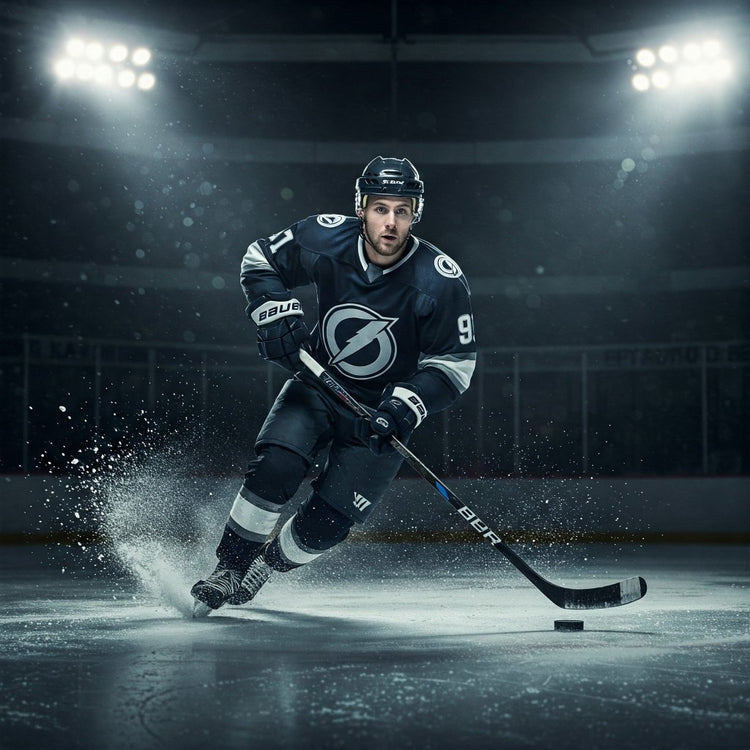
The ultimate guide to ice hockey: Rules, techniques, and tips for beginners
Ice hockey is fast, hard-hitting, intense, and incredibly exciting as a result. At first, it may seem complicated, but once you understand the rules and get to know your equipment, everything becomes much clearer. Then you’ll discover how addictive it is, because you’re constantly moving. This keeps you alert, builds your fitness, and improves your reaction time. In short, if you’re looking for a sport that’s challenging both physically and mentally, ice hockey is a great choice.

Ice Hockey Rules and Regulations
The rules are fairly simple, even though the game looks chaotic. First, two teams of six players, including the goalie, play on the ice. The goal is simple: score more goals than your opponent. There are also clear restrictions, such as the offside rule, which means you can’t enter the offensive zone without the puck. Infractions such as checking from behind, high-sticking, or tripping result in penalties. This creates an intense but controlled pace of play. In other words: speed and safety go hand in hand.
Essential Ice Hockey Equipment
You can’t play this sport safely without the right equipment. That’s why players always wear a helmet with a visor, a mouthguard, a body protector, gloves, shin guards, and sturdy ice hockey skates. You’ll also need a stick suited to your height and playing style. Then you’ll learn to handle your gear so you can move freely while staying well protected. This helps you feel confident and focus fully on the game.
Ice Hockey Positions and Player Roles
Each position has a specific role. First, there’s the goalie, who is literally the last obstacle between the opponent and the goal. Then there are two defensemen, who stop attacks and clear the puck. Three forwards take the ice: left wing, right wing, and center. Their job is to move the play forward, apply pressure, and score. This means the team has to communicate, switch lines, and move constantly. Ultimately, it all comes down to teamwork, speed, and awareness.
Ice Hockey Techniques and Skills
Ice hockey takes more than just running on skates. First, you learn to skate steadily, turn quickly, and stop hard. Then you practice stickhandling—in other words, controlling the puck while moving. You also need to learn to pass with both your backhand and forehand so your team can attack smoothly. This helps you gain ground and create opportunities. Ultimately, mastering these techniques helps you play efficiently and intelligently without wasting energy.
Shooting and Scoring in Ice Hockey
Scoring may seem simple, but it takes technique and timing. First, you need to learn how to take slap shots, wrist shots, and backhands. Then you work out the right angle, distance, and speed. This increases your chances of success. You also need to pay attention to the goalie’s position so you can exploit their weaknesses. Scoring ability depends on creativity as well as physical strength. In short, scoring takes practice, awareness, and courage.
Defensive Strategies in Ice Hockey
Defending is about more than stopping someone. First, you read the play so you can anticipate what’s coming. Then you position yourself smartly between the puck and the goal. You also use poke checks, stick lifts, and body positioning. This lets you neutralize the opponent without taking an unnecessary penalty. Ultimately, a good defender is someone who brings calm, stays aware of what’s happening, and switches smartly between action and control. In other words: defending is pure strategy.
Tips for Beginners to Improve Their Ice Hockey Game
Start slowly, but stay consistent. First, focus on balance and basic technique. Then train specifically on shooting, passing, and positioning. You can also watch professional games to learn how to read different situations. This helps you improve quickly. Mental focus is just as important as physical strength. In short: keep practicing, set small goals, and let your coach guide you. That way, you’ll keep making progress every week.
Ice Hockey Drills and Practice Routines
Train smart, not just hard. Start with on-ice warm-ups, such as skating sprints and stick drills. Then alternate between individual drills and team exercises. For example, try a drill where you control the puck at high speed, followed by a passing and shooting drill. This helps you develop your technique and muscle memory at the same time. Finally, finish with cool-downs and brief reviews to prevent injuries and keep learning.
Conclusion: Enjoying and Progressing in Ice Hockey
Ice hockey is more than a sport – it’s a way of life. Perseverance, teamwork, and technique come together to create an experience you won’t find anywhere else. Whether you’re just starting out or have been playing for a while, every practice brings you closer to your next breakthrough. That keeps it fun and challenging. So put on your gear, step onto the ice, and experience it for yourself. All in all: ice hockey is cold on the outside, but warm at heart.
Frequently Asked Questions About Ice Hockey (FAQ)
What do you need at a minimum to start playing ice hockey?
You’ll need at least a helmet, gloves, skates, a stick, and basic protective gear. This lets you play safely and with confidence.
Is ice hockey suitable for children, or only for adults?
Both children and adults can get started. Youth teams are available and training is adapted to different ages and abilities, making the sport accessible to everyone.
How often should you train to improve at ice hockey?
Ideally, you should train two to three times a week. This helps you develop your technique, fitness, and awareness of game situations at a steady pace.
Which position is easiest for beginners?
Beginners often start as a winger or defenseman. This helps you learn positional awareness and skating control without the pressure of playmaking.
How dangerous is ice hockey compared with other sports?
Although it’s fast and physical, mandatory equipment provides good protection. This makes the sport relatively safe, provided you follow the rules.