
Discover the best bike bottle cages: A guide to choosing the perfect water bottle cage
Looking for the best bottle cages for your bike? Look no further! In this guide, you’ll discover everything you need to know to choose the perfect bottle cage . Whether you’re a passionate cyclist or simply enjoy cycling, having a reliable bottle cage is essential. We understand that finding the right option can be overwhelming, with so many choices on the market. But don’t worry, we’ve done the research for you and present the best options here. When choosing a bottle cage, there are several factors to consider, such as material, weight, mounting, and fit. We’ll guide you through the main considerations so you can make an informed decision. Whether you’re looking for a lightweight option for racing or a sturdy cage for adventurous rides, we have something for everyone. So what are you waiting for? Read on to discover the best bottle cages for your bike that perfectly suit your needs and style. Don’t let a poor bottle cage disrupt your ride; invest in quality and enjoy every mile in style.
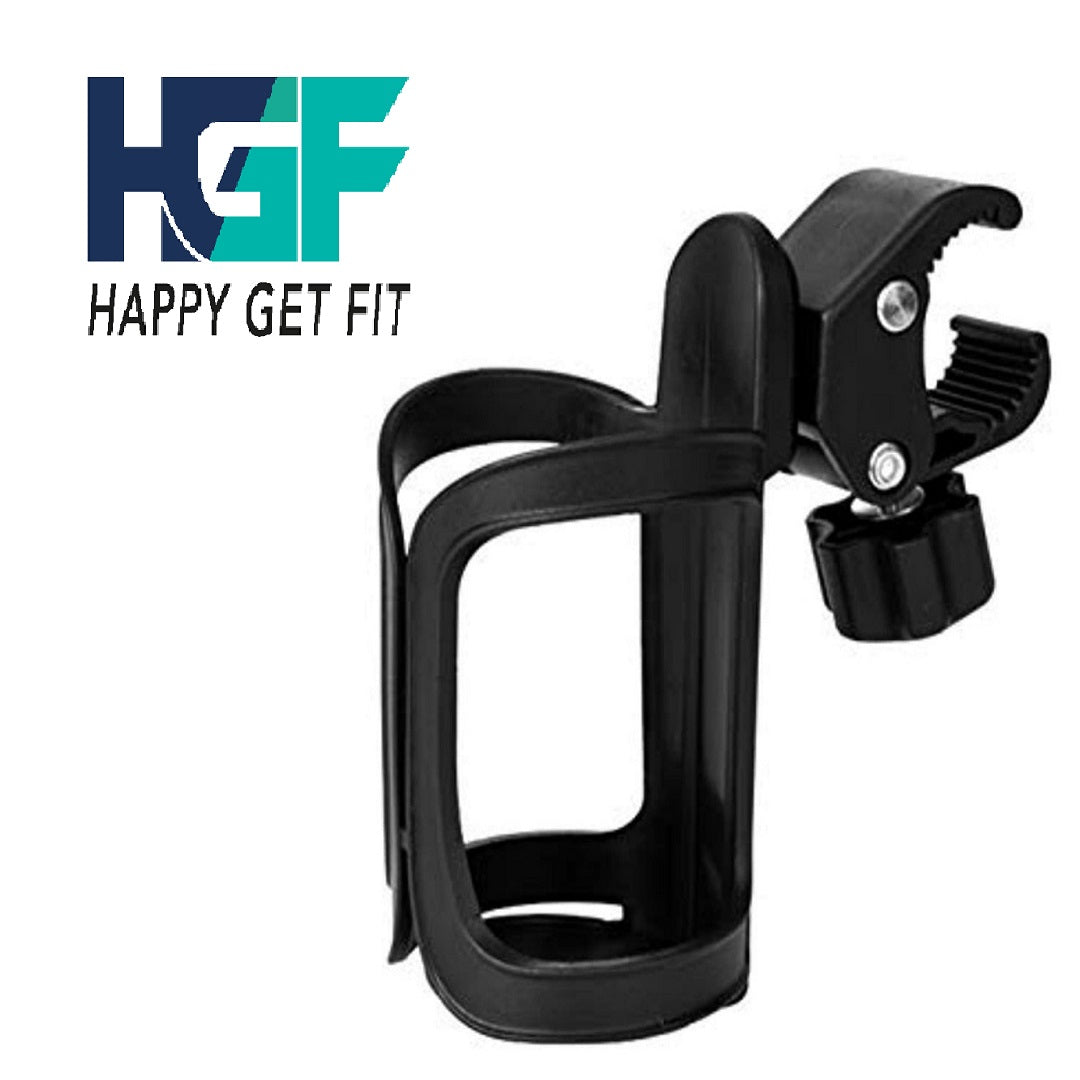
The importance of a bottle cage for cycling
A bottle cage is an essential part of your cycling gear, especially if you go on longer rides. A bottle cage ensures you always have access to water, which is essential for your hydration and performance.
Benefits of a bottle cage:
Hydration: A bottle cage ensures you always have enough water with you, so you don’t have to stop to get a bottle out of your backpack. This is especially important on longer rides, when you lose more fluids through sweating.
Performance: Hydration is essential for your performance. If you’re dehydrated, you’ll have less energy and be more prone to injury. A bottle cage helps you stay hydrated so you can do your best while cycling.
Comfort: A bottle cage makes it easy to reach your bottle without having to turn around or get out of the saddle. This is not only more comfortable, but also safer.
Tips for choosing a bottle cage:
Consider the size of your bottles. Some bottle cages are suitable for small bottles, while others are designed for large bottles. Choose a bottle cage that fits your bottles.
Consider the material. Bottle cages are made from various materials, such as plastic, aluminum, and metal. Plastic bottle cages are lightweight and affordable, but they are less durable than aluminum or metal bottle cages.
Check the mounting. Bottle cages attach to your bike frame. There are different types of mounts, so make sure you choose a bottle cage that is suitable for your bike.
A bottle cage is an essential part of your cycling gear. It ensures you always have access to water, which is essential for your hydration and performance. When choosing a bottle cage, it is important to consider the size of your bottles, the material, and the mounting.
Types of bike bottle cages
There are several types of bike bottle cages, which vary in material, mounting, and function. The most common types are:
Frame-mounted bottle cages: These bottle cages attach to the bike frame, usually to the down tube or top tube. They are relatively easy to install and remove, and are available in various materials, such as plastic, aluminum, and metal.
Example: Frame-mounted bottle cages are a popular choice for cyclists who often go on longer rides. They are easy to access and provide enough space for large bottles.
Handlebar bottle cages: These bottle cages attach to the bike’s handlebars. They are ideal for cyclists who want quick and easy access to their bottle. Handlebar bottle cages are available in various materials, such as plastic, aluminum, and metal.
Example: Handlebar-mounted bottle cages are a good choice for cyclists who ride in the city. They are easy to access and provide enough space for small bottles.
Seat tube bottle cages: These bottle cages attach to the bike’s seat tube. They are a good choice for cyclists who want to carry their bottles at the back. Seat tube bottle cages are available in various materials, such as plastic, aluminum, and metal.
Example: Seat tube bottle holders are a good choice for cyclists carrying a lot of luggage. They offer enough space for large bottles and are easy to access.
Rack-mounted bottle cages: These bottle cages attach to the rear rack of the bike. They are ideal for cyclists who need plenty of space for their gear. Rack-mounted bottle cages are available in various materials, such as plastic, aluminum, and metal.
Example: Pannier bottle holders are a good choice for cyclists carrying a lot of luggage. They offer enough space for large bottles and are easy to access.
Tips for choosing a bottle cage:
- Consider the size of your bottles. Some bottle cages are designed for small bottles, while others are designed for large bottles. Choose a bottle cage that fits your bottles.
- Consider the material. Bottle cages are made from different materials, such as plastic, aluminum, and metal. Plastic bottle cages are lightweight and affordable, but less durable than aluminum or metal bottle cages.
- Pay attention to the attachment. Bottle cages attach to your bike's frame. There are several types of mounts, so make sure to choose a bottle cage that is compatible with your bike.
There are several types of bottle cages for bikes, which vary in material, attachment, and function. The best bottle cage for you depends on your personal needs and preferences.
Factors to consider when choosing a bottle cage
If you're looking for a new bottle cage for your bike, there are a few factors to consider.
The size of your bottles
The first thing to consider is the size of your bottles. Most bottle cages fit bottles with a diameter of 70 to 75 millimeters. If your bottles are larger or smaller, make sure to choose a bottle cage that fits their size.
The material
Bottle cages are made from different materials, such as plastic, aluminum, and metal. Plastic bottle cages are lightweight and affordable, but less durable than aluminum or metal bottle cages. Aluminum bottle cages are strong and lightweight, but can be expensive. Metal bottle cages are the strongest and most durable, but they can also be the heaviest.
The attachment
Bottle cages attach to your bike's frame. There are several types of mounts, including:
- Screw mount: This mount is the most popular and offers the greatest stability.
- Clamp mount: This mount is easy to install and remove, but is less stable than a screw mount.
- Magnetic mount: This mount is the most compact and offers the most flexibility, but is less stable than a screw or clamp mount.
The location
- You can attach a bottle cage to different places on your bike, such as:
- The down tube: This is the most popular location and offers the most stability.
- The top tube: This location is less stable than a down tube mount, but is easier to access.
- The seat tube: This location is less stable than a down tube mount, but offers more room for luggage.
The price
The price of a bottle cage varies depending on the material, attachment, and features. Plastic bottle cages are the cheapest, while metal bottle cages are the most expensive.
By taking these factors into account, you can find the perfect bottle cage for your bike.
Examples:
- If you go on a lot of long bike rides, a bottle cage with a large capacity and a secure attachment is a good choice.
- If you ride in the city, a bottle cage with a compact mount and easy access is a good choice.
- If you carry a lot of luggage, a bottle cage that mounts to the seat tube or rear rack is a good choice.
Features to look for in a bottle cage
In addition to the factors you've read about, there are a few other features you can consider when choosing a bottle cage.
Capacity
A bottle cage's capacity is the volume it can hold. Most bottle cages have a capacity of 500 to 750 milliliters. If you want to carry a lot of water, you can choose a bottle cage with a larger capacity.
Insulation
Some bottle cages are insulated. This means they keep water at its temperature for longer. If you want your water to stay cold, you can choose an insulated bottle cage.
Safety
A bottle cage should be safe to use. Make sure it's securely attached to your bike and holds the bottle in place while you ride.
Durability
A bottle cage should be durable. Choose one made from a sturdy material that can withstand impacts and weather.
The price
The price of a bottle cage varies depending on the material, features, and brand. Plastic bottle cages are the cheapest, while metal bottle cages are the most expensive.
By taking these features into account, you can find the perfect bottle cage for your bike.
Examples:
- If you go on a lot of long bike rides, a bottle cage with a large capacity and good insulation is a good choice.
- If you ride in the city, a bottle cage with a secure mount and a compact design is a good choice.
- If you carry a lot of luggage, a bottle cage that mounts to the seat tube or rear rack is a good choice.
Extra tips:
- When buying a bottle cage, it's important to make sure it fits your bike. Make sure it's securely attached and holds the bottle in place while you ride.
- When buying a bottle cage, it's also important to check that it's suitable for the type of bottle you use. Most bottle cages fit bottles with a diameter of 70 to 75 millimeters.
Tips for installing and using a bottle cage on your bike
Installation
Read the bottle cage instructions carefully. This will help you install it correctly.
- Make sure the bottle cage fits your bike properly. It should be securely attached and hold the bottle in place while you ride.
- If you have a bottle cage with a screw mount, use an Allen key or a screwdriver to tighten it.
- If your bottle cage has a clamp mount, make sure the clamp is securely attached to your bicycle frame.
Using
- Place the bottle in the bottle cage with the opening facing up.
- Gently turn the bottle to the left or right to secure it.
- To remove the bottle, gently turn it to the left or right.
Tips
- If your bottle cage has insulation, make sure not to overfill it. If it's too full, the insulation may not work as well.
- If you use a bottle cage in cold weather, it's important to keep it clean and dry. This helps prevent it from freezing.
Safety
- Regularly check that the bottle cage is still securely attached. If it is loose, the bottle may fall out while cycling.
- Do not use a damaged bottle cage. A damaged bottle cage may come loose, causing the bottle to fall while cycling.
Maintaining and caring for your bottle cage
To keep your bottle cage in good condition, it's important to maintain and care for it regularly.
Daily bottle cage maintenance:
- Wipe the bottle cage with a damp cloth to remove dirt and dust.
- Check that the bottle cage is still securely attached.
Weekly bottle cage maintenance:
- Wash the bottle cage with mild detergent and water.
- Dry the bottle cage thoroughly.
Annual bottle cage maintenance:
- Check the bottle cage for wear or damage.
- Replace the bottle cage if necessary.
Tips
- Do not use harsh cleaners or abrasives, as these can damage the bottle cage.
- If your bottle cage has insulation, make sure not to damage it.
Safety
Do not use a damaged bottle cage. A damaged bottle cage may come loose, causing the bottle to fall while cycling.
By maintaining and caring for your bottle cage regularly, you can extend its lifespan and ensure safety.
Alternatives to traditional bottle cages
Besides traditional bottle cages mounted in a fixed position on the frame, there are also several alternatives available. These alternatives offer various benefits, such as easier access, greater capacity, or a lower price.
Handlebar-mounted bottle cages
Handlebar-mounted bottle cages attach to the bicycle's handlebars. They're ideal for cyclists who want quick and easy access to their bottle. Handlebar-mounted bottle cages are available in various materials, such as plastic, aluminum, and metal.
Example: Handlebar-mounted bottle cages are a good choice for cyclists who ride in the city. They are easy to access and provide enough space for small bottles.
Seat tube bottle holders
Seat tube bottle holders are attached to the bicycle's seat tube. They are a good choice for cyclists who want to carry their bottles at the back. Seat tube bottle holders are available in various materials, such as plastic, aluminum, and metal.
Example: Seat tube bottle holders are a good choice for cyclists carrying a lot of luggage. They offer enough space for large bottles and are easy to access.
Pannier bottle holders
Pannier bottle holders are attached to the bicycle's rear rack. They are ideal for cyclists who need plenty of space for their belongings. Pannier bottle holders are available in various materials, such as plastic, aluminum, and metal.
Example: Pannier bottle holders are a good choice for cyclists carrying a lot of luggage. They offer enough space for large bottles and are easy to access.
Magnetic bottle holders
Magnetic bottle holders use magnets to hold the bottle in place. They are a good choice for cyclists who want a simple, secure solution. Magnetic bottle holders are available in various materials, such as plastic and metal.
Example: Magnetic bottle holders are a good choice for cyclists who want a lightweight, compact bottle cage. They are easy to install and remove, and offer enough space for small bottles.
In-frame bottle cages
In-frame bottle cages are integrated into the bicycle frame. They are a good choice for cyclists who want a minimalist look. In-frame bottle cages are available in various materials, such as plastic, aluminum, and metal.
Example: In-frame bottle cages are a good choice for cyclists who want an aerodynamic bike. They offer enough space for large bottles, but are less accessible than traditional bottle cages.
There are several alternatives to traditional bottle cages. These alternatives offer various benefits, such as better accessibility, greater capacity, or a lower price. The best choice for you depends on your personal needs and preferences.
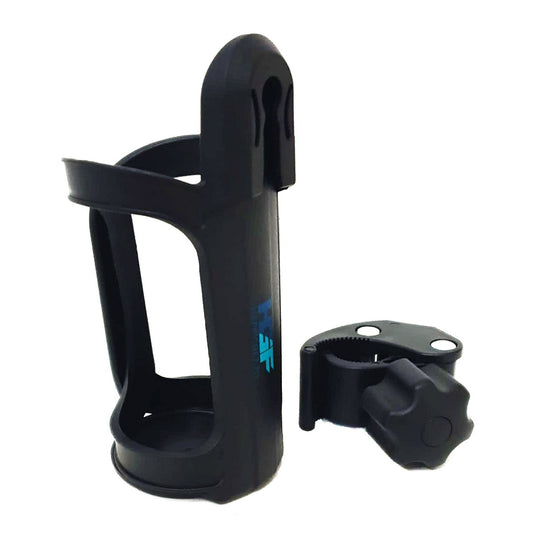
A bottle cage is an essential part of every bicycle. It ensures you always have access to water or other drinks while cycling. There are different types of bottle cages available, each with its own pros and cons. The best choice for you depends on your personal needs and preferences.
If you're looking for a bottle holder that's easy to access, a handlebar bottle holder is a good choice. If you need plenty of space for your belongings, a bag bottle holder is a good choice. And if you want a minimalist look, an in-frame bottle holder is a good choice.
No matter which type of bottle holder you choose, it's important to maintain and care for it regularly. This helps extend the life of your bottle holder and ensure safety.
Especially for you as a blog reader! Discover the HappyGetFit bike bottle holder and get 20% off with code HGF20 !
Don't wait any longer! Go straight to the product and improve your cycling experience with this handy bottle holder for the perfect ride!
View the product and save now!
Here are some more tips for choosing a bottle holder:
- Consider the size of your bottles. Some bottle holders are suitable for small bottles, while others are suitable for large bottles. Choose a bottle holder that fits your bottles.
- Consider the material. Bottle holders are made from various materials, such as plastic, aluminum, and metal. Plastic bottle holders are lightweight and affordable, but they are less durable than aluminum or metal bottle holders. Aluminum bottle holders are strong and lightweight, but they can be expensive. Metal bottle holders are the strongest and most durable, but they can also be the heaviest.
Pay attention to the mount. Bottle holders attach to your bike's frame. There are several types of mounts, including:
- Screw mount: This mount is the most popular and offers the greatest stability.
- Clamp mount: This mount is easy to install and remove, but is less stable than a screw mount.
- Magnetic mount: This mount is the most compact and offers the most flexibility, but is less stable than a screw or clamp mount.
Consider the price. The price of a bottle holder varies depending on the material, features, and brand. Plastic bottle holders are the cheapest, while metal bottle holders are the most expensive.
I hope this information helps you find the perfect bottle holder for your bike.